Don’t think CAP. Think agri-food.

Ten years ago, I wrote about the EU’s Common Agricultural Policy (CAP), thinking of it as just one of the important EU policies. Little did I know, a decade later, I’d have been deeply involved in everything CAP and beyond. As climate change reshapes our world, it’s clear we need to shift our focus from CAP alone to the entire food system—from production to waste. The future of EU agri-food policy is being pieced together in Brussels, and the first seeds of change are already sown.

Ten years ago (oh, how time flies!) I wrote an article about the Common Agricultural Policy (CAP) of the EU for this blog. To be honest, back then, it was more of a thing I considered as an obligation to the overall EU discussions we aim to invoke through EU360. During my studies, the CAP was one of those policies an EU expert should know well, but it was never one of those “sexy” policies that make headlines more than a couple of times a year, when large tractors roll into Brussels, causing chaos, and recently, destruction. Little did I know that a decade later I would have come out of a project that would make me immerse myself into everything CAP… and wider.
The imperative to change

There’s much talk about climate change, and how we will have to adapt our lifestyles to more extreme and unpredictable weather phenomenons. Wildfires and floods are making news in Europe for the past couple of years, both also in Slovenia. Much is being said about the people who lose property (thankfully not lives), heroic rescue teams, and government support to rebuild. But very little is being said about how this impacts our food.

Europeans tend to forget that what we eat has to be grown somewhere. And that farming is the one industry that relies heavily on weather patterns. When harvest season begins, all hands are on deck. If the weather changes, everything from sowing to operations that happen next is harder to predict. Yields vary based on weather, and while our globalised world makes sure we don’t go hungry in Europe, it doesn’t necessarily guarantee a constant income for our farmers.

The good news is that we know which agricultural practices are speeding up climate change – from monocultures, to the use of synthetic pesticides and fertilisers, as well as extensive livestock production. And we also have new sustainable farming techniques, and technologies that help farmers predict and manage fluctuations in conditions based on a variety of data that they can collect with the modern technology.

But changing the way we produce food is just a part of the solution to mitigate the impact of agriculture in climate change, and bring forth a more sustainable way of living in general.

Think bigger. Think food systems

Through research, and a lot of discussions with people who’ve been dealing with CAP in Slovenia and internationally, I’ve come to realise that the wider community dealing with this old lady of an EU policy understand it has to change. But I also found out that this policy change would have to be so radical that it seems almost impossible in the current institutional setup.

What became clear to me though is that a pure CAP reform, where the policy would have been taken completely apart and then put back together again probably doesn’t have to occur at all once we view the issue of food through a larger prism. The food system.

Source: European Commission, EDGAR.

What we have to do is look at the entire system – from how we produce food, to storage, processing, retail, consumption and (yes, even that!) food waste. Add transportation and you get a fully fledged overview of the problem. Just looking at GHGs and air pollutants from the food systems is enough to understand this (EC data).

We are harming our planet way more than we think just by how we produce and consume food. And everything in between.

And all of those elements are connected. Touch one and you get a domino effect on the rest.

The puzzle

If the realisation that what ends up as a decision on my plate can contribute to my kids having a harder time finding quality food later in their lives made me sad and concerned, what I discovered later brought back hope.

After a couple of rounds in Brussels, having spoken with people in key positions within the institutions and those from the wider agri-food community, what became apparent is that a couple of dialogues are taking place in parallel. In addition to the official Strategic dialogue, there are other unofficial groups, like the Forum for the Future of Agriculture, where discussions are held with a different kind of ease.

One thing that stands out to an observer is that there seems to be little to no dialogue between the two extremes – large farmers of Europe and radical environmentalists.

Nevertheless, even in the couple of months that it took me to gather all observations and create an overview of what’s being talked about in Brussels, it became clear that the narrative is shifting and a consensus seems to be growing with the majority of actors in the middle – from industry, to researchers, and NGOs – that some kind of a deal will have to be made so that a transition to a more sustainable food system is sped up by EU regulation. The recent stakeholder event on Incentivising climate action for a sustainable and competitive agri-food value chain, organised by the EC in June 2024, shows the cross-sectoral approach to agri-food systems regulation.

The outlines of the final puzzle are clear – a new legislative framework supporting the entire agri-food sector in their transition to more sustainable practices at every step. What remains unclear is how the pieces will look like. Will some be larger than others, would they be more or less complicated to put together? Would some stakeholders quit the game, and other feel left out or forgotten? How big of a role will the CAP and its funding play in all of this and can it distort the final image?

Time will tell. But for now, the impression is that the first seeds have already been sown in Brussels, and the puzzle is starting to be put together – through small changes to existing regulations, new legislative proposals that would be coming, and discussions of larger policy change.

And so now is the time to be patient and proactive in working together, talking and exchanging information to create the best possible framework for a new EU agri-food system of the future.

Turn to Europe and Give Peace a Chance.

It’s become a tradition for me. In spite of all my other tasks and responsibilities and regardless of whether I am actively blogging at that moment or not, I would sit down (in the middle of the night) and write up a short blog to be published on 9 May, the EU Day. Usually, I write about how I see Europe evolving and what I would wish it to become for future generations. Today, let this be a call for immediate action, as we seem to be living in time that hangs between war and peace, freedom and autocracy, stability and chaos.

Preberi več “Turn to Europe and Give Peace a Chance.”

Don’t look back. You’re not going that way.

I thought I missed it! The 9th of May. For a week now, my social media timelines are full of Europe day related posts from the European institutions that I follow and friends that work there. Seems like the EU took this year’s celebration seriously, and rightfully so. 

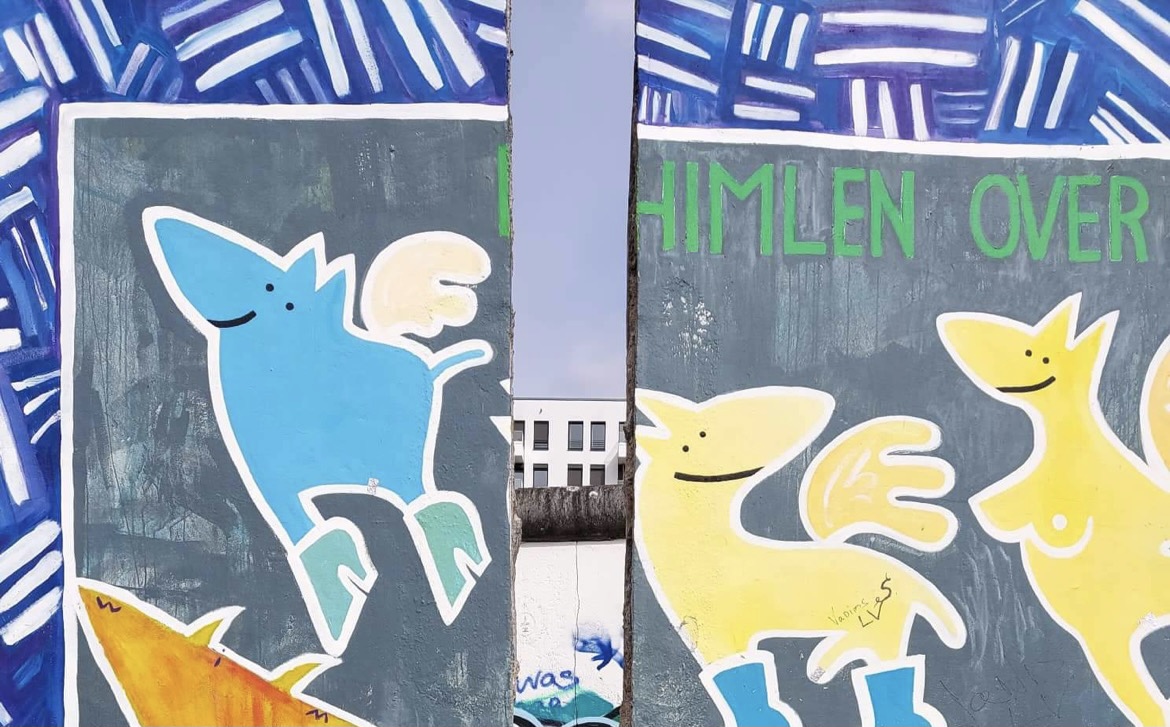
This year, we are celebrating Europe Day in Berlin. The city that breathes and lives re-unification. And future.

Preberi več “Don’t look back. You’re not going that way.”

Mitigating a Covid side-effect: Close-mindedness

by Špela Majcen Marušič

We’ve been reading about all different ways that Covid has impacted our lives in the past year. One aspect that is rarely discussed, however, is that we have started thinking backwards. Keeping people at home or close to home in a pandemic is a reasonable measure, but certain rhetoric about the situation could project us 30 years in the past. Back to when Erasmus exchanges have just begun. So, what can the EU do to keep up the Erasmus spirit in the new normal? Digital communication, digital communication, digital communication.

Preberi več “Mitigating a Covid side-effect: Close-mindedness”

Mami kupuje na spletu: kaj, če izberem premajhno pižamico?

Odkar sem mama je največji izziv čas. Delim ga med družino, službo, pred kratkim mi je uspelo v urnik vriniti še plezanje, potem pridejo prijatelji, pa spati je tudi treba. Aja, pa kuhati, pospravljati, prati, in urediti, da imamo vsi v omarah kolekcije, primerne letnemu času. Že skoraj dve leti se mi iskreno ne da več hoditi v shopping. Rajši tiste pol urice, ki bi jih preživela, da tekam od trgovine do trgovine (in za seboj vlečem skoraj dvoletnico, ki jo vse zanima), preklikam spletne trgovine in nekaj izberem. In ja, nočna mora mamice spletne nakupovalke je, če je zadeva škratku premajhna (v preveliko bo že zrastel).

Pogledala sem, kaj v takšnih primerih lahko storimo: dosti! Dobra novica za mamice spletne nakupovalke – kar veselo naprej – prihajajo Black Friday, Cyber Monday in božično nakupovanje 😊!

holiday-shopping-1921658_1920

Preberi več “Mami kupuje na spletu: kaj, če izberem premajhno pižamico?”

Prvič v vrtec: ena od 15 milijonov

Za vsakega starša je otrok eden in edini, mali angelček, nagajivček, čista sreča in zverinica, ki ji še zdaleč ni podobne. Tudi za naju je Mia ena od milijona – oziroma v evropskem kontekstu – 15 milijonov otrok, ki letos obiskujejo predšolsko vzgojo ali varstvo.

IMG_0314

Preberi več “Prvič v vrtec: ena od 15 milijonov”

Pet mesecev v ZDA: ogromne porcije kave in pomanjkanje pločnikov

Naše prvo družinsko potovanje v Liverpool je bilo uvod v nekaj daljšega, večjega, drugačnega. Bolj drugačnega, kot vožnja po drugi strani ceste. Če smo prvo letalo z dojenčkom preizkusili znotraj Evrope (dokler je Velika Britanija še »evropska«), pa se je naša avantura nadaljevala preko oceana. Za pet mesecev smo se preselili v Ann Arbor, manjše univerzitetno mesto v ameriški zvezni državi Michigan. No, manjše mesto po ameriških standardih seveda, saj ima skoraj 114 000 prebivalcev. In dojemanje velikosti mest ni edina razlika, ki smo jo v tem času opazili med Evropejci in Američani. Od strogih mejnih postopkov, dojemanja kaj je ekološko, pa do ogromnih porcij hrane, nakupovanja preko Amazona in izredne odprtosti prebivalcev Nove celine… ki pa do nas, staroselcev, (zame nekoliko presenetljivo) gojijo manjvrednostni kompleks.

IMG_1560

Preberi več “Pet mesecev v ZDA: ogromne porcije kave in pomanjkanje pločnikov”

Z dojenčkom na letalo: v deželo čajank, nogometa in glasbe

Pravili so nama, da se življenje popolnoma spremeni, ko dobiš dojenčka. Delno je to seveda res, saj si še zdaleč nisem mogla predstavljati nočnih ritualov in dojenja na dve uri po eni strani, ter neizmerne ljubezni in skrbi na drugi strani. Hkrati pa sva ob povabilu v Liverpool razmišljala le en sam dan, preden sva kupila letalski karti in odkljukala tisto vrstico z napisom »infant in lap«. Mia je še pred svojo osmo mini svečko odpotovala z letalom na obisk mesta, od koder prihaja največji evropski in svetovni band vseh časov.

65235098_317392092482237_9006176043207229440_n

Preberi več “Z dojenčkom na letalo: v deželo čajank, nogometa in glasbe”

Na sveži zrak: 5 idej za izlete po sončku

Po pregledu petih predlogov za deževne dni, optimistično pripravljam še pregled 5 predlogov za sončne dni! V Sloveniji je sicer toliko outdoor destinacij, da bi lahko celo življenje pohajali naokoli, zato je bila odločitev za trenutni ožji izbor zelo težka. Ker sem zadnja leta doma na Obali, pa sem se odločila, da se tokrat brez slabe vesti omejim kraje, ki so bližje primorskim koncem, pri čemer pa vem, da so ostali deli Slovenije prav tako čudoviti in zanimivi. Spet sem sledila zlatim zvezdicam na modri podlagi, hkrati pa ugotovila še, da kar 37,46 % površine Slovenije spada v območja Natura 2000, kjer še posebej skrbijo za ohranjanje biotske raznovrstnosti, tako, da varujejo naravne habitate ogroženih rastlinskih in živalskih vrst.

walking-1081723_1280

Preberi več “Na sveži zrak: 5 idej za izlete po sončku”

Iz rudnika do zvezd: 5 muzejev za deževne dni

Ne spomnim se, da bi kdaj za moj rojstni dan deževalo. Delim ga z Evropo in 9. maj je v mojem spominu vedno lep spomladanski dan, ko organiziramo piknik na travniku pred hišo. Ker so nam letos ledeni možje malček zagodli, sem pogledala, kaj lahko z malčki počnemo ob slabšem vremenu. In glede na to, da sem muzejska navdušenka, so me posebej pritegnile zanimive tematike, ki jih predstavljajo nekateri slovenski bolj ali manj znani muzeji. Naša navihanka je sicer še malo majhna za učenje zgodovine ali raziskovanje vesolja, nama je pa že potrpežljivo delala družbo v muzeju Beatles Story v Liverpoolu, in je stalna stranka Muzeja Laško. V nadaljevanju predstavljam tistih »top 5«, ki so še posebej pritegnili mojo pozornost. In – je to naključje, ali je povezano z mojim rojstnim dnem – vseh pet deluje s pomočjo EU sredstev! 🙂

Preberi več “Iz rudnika do zvezd: 5 muzejev za deževne dni”